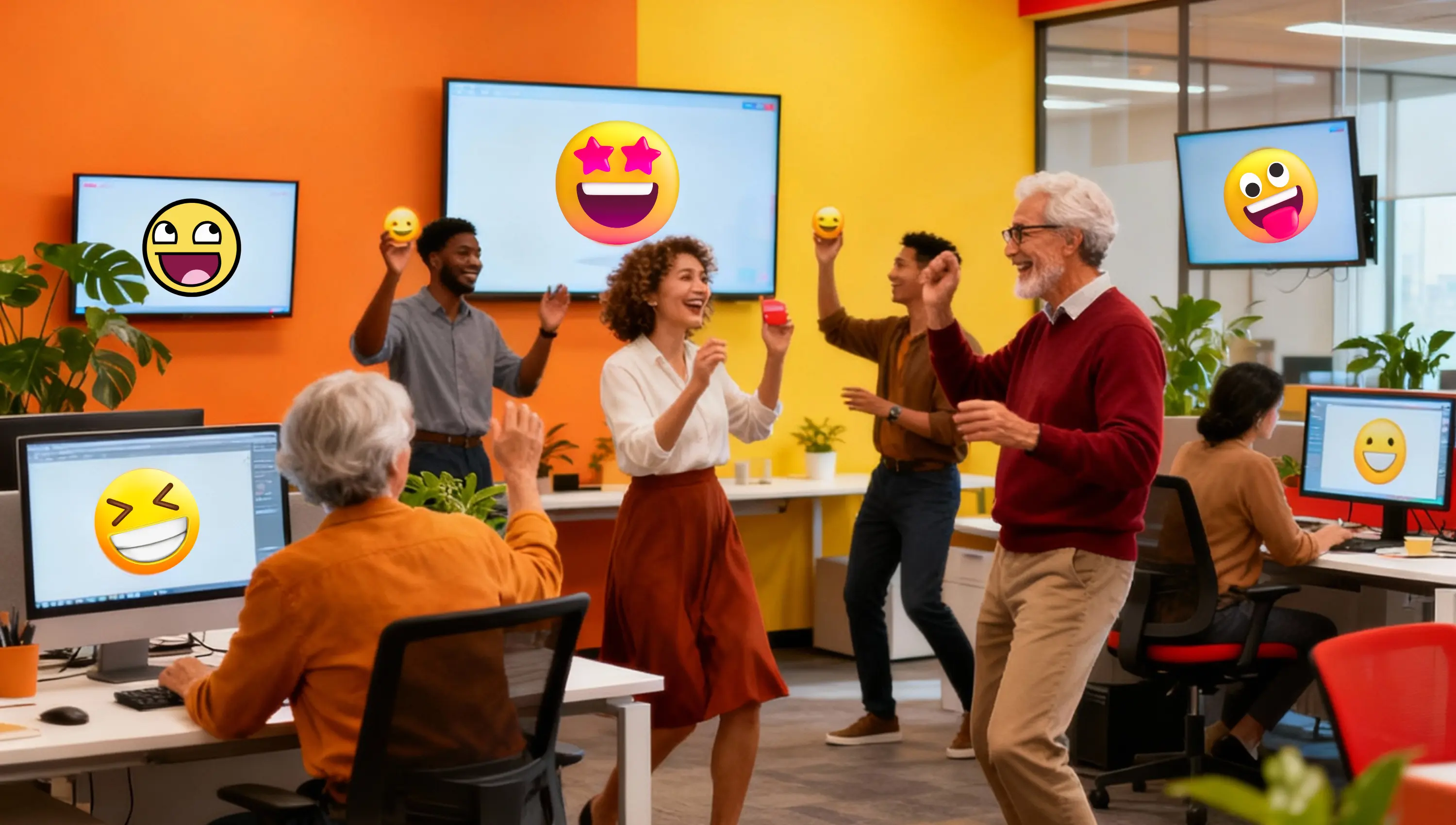
Imagine a world where a single small icon can convey tone, emotion, and intent as efficiently as a paragraph. Emoji is steadily reshaping the way sentences and stories take shape in our daily lives, both at work and at home, as the boundaries between visual cues and written language fade. The rise of emoji is not just a technological trend anymore—it’s a cultural revolution that reflects rapidly shifting norms and the evolution of digital body language.
The Origin Story: From Pixels To Global Phenomenon
Most digital histories point to Shigetaka Kurita as the founding father of modern emoji. Back in 1999, Kurita, working for NTT DoCoMo, designed a set of 176 colorful icons on a tiny 12×12 pixel grid. He pulled inspiration from Japanese manga, weather pictograms, Chinese characters, and even classic typefaces like Zapf Dingbats. What began as a playful way to enrich pagers and early mobile communications now sits in the permanent collection of the Museum of Modern Art in New York.
Emoji, a blend of 絵 (picture) and 文字 (letter), wasn’t intended as an English wordplay, even though its phonetic similarity to “emotion” seems apt. Kurita’s pixelated icons launched a movement toward using images for digital communication—a movement that would truly go global with support in Apple’s iOS, Google’s Android, and the crucial Unicode standard in the early 2010s.
From Novelty To Necessity
The journey from quirky novelty to vital workplace tool accelerated post-2010, when chat and collaboration platforms exploded. Slack, Microsoft Teams, WhatsApp, and Zoom started actively weaving emojis into their messaging DNA. Facial expressions lost in virtual meetings found their replacements in digital symbols—offers of approval (👍), empathy (😊), and celebration (🎉).
Oxford Dictionary’s “Word of the Year” nod in 2015 to the “Face with Tears of Joy” emoji signaled mainstream acceptance, backed by global trends showing that emoji now outpace commas and exclamation marks for emotional context.
Emojis In The Workplace: Connecting A Multigenerational Workforce
Surveys reveal that 88% of Generation Z (Gen Z) knowledge workers see emojis as essential in workplace communication. They enliven digital conversations, nurture camaraderie, and even motivate engagement—Gen Z professionals are 2.5 times more likely than Baby Boomers to feel motivated by emoji reactions, and 61% say emojis make them more likely to engage with messages.
Boston Consulting Group and Snap’s joint projections highlight that Gen Z already comprises 25% of India’s workforce—a number set to soar to 47% by 2035. As these digital natives enter the professional sphere, fluency in emoji is quickly rivaling grammar as a job skill. [source]
Slack’s internal surveys show that 53% of workers use emoji at work, with 67% stating they feel more bonded to colleagues who understand their emoji preferences. Adobe’s global study found that 92% of users believe emoji helps bridge language barriers, establishing unity and respect across diverse workplace cultures.
We’ve moved beyond whether texting, or emoji, belong in business. Now the focus needs to be on maximum clarity, efficiency, and human connection.
Challenges And Misunderstandings: The Double-Edged Sword
While emojis broke barriers, they also introduced ambiguity. A Newsweek survey reveals 27% of employees have felt offended by an emoji, 65% avoid them to prevent misinterpretation, and 47% advocate prohibiting emojis in formal messaging. Platforms matter too: WhatsApp leads in emoji confusion (46% of employees), followed by Instagram (38%) and Microsoft Teams (24%).
Baby Boomers and Gen Xers tend to use emojis literally, while Gen Z injects irony and layered meaning—sometimes for comedic effect, sometimes gently ribbing workplace norms. Such differences lead to anxieties and misunderstandings.A personal tale: that simple smiley (🙂) can mean genuine warmth or passive-aggressive sarcasm, depending on the sender’s intent and the reader’s biases. The skull emoji (💀), traditionally signaling death, now signals “killed by laughter” in meme-driven circles.
A recent Business Communication Quarterly study reported that proper emoji use improved tone comprehension by 42% and reduced misinterpretation by 35%. Platforms are developing AI-powered emoji libraries that suggest context- and relationship-appropriate symbols—helping teams adapt their tone across geographic and generational divides.
Automation, AI, and Accessibility
AI keyboard apps now recommend emojis based on message context, voice-to-text features auto-suggest emojis, and multilingual messaging tools allow emoji to bridge cultures. Google’s Gboard, for instance, pops up relevant emoji as word prompts, reducing user effort and promoting more visual interactions.
Video snippets, smart templates, and voice-driven messaging add further layers, turning plain text into nuanced, story-like exchanges ripe with visual texture.
Bridging The Generational Gap
Who bears the burden of this digital divide? The generational gap is real—Gen Z’s emoji-coded conversations may leave millennial and boomer managers feeling the tone is either too blunt, too distant, or “just too Gen Z.” The familiar thumbs-up (👍) was once a simple affirmation, but now lacks warmth for younger workers. Where older generations see utility and practicality, younger ones push for more intentional and empathetic digital interaction.
As workplaces diversify—often spanning four generations—emoji etiquette and literacy have become crucial for productive collaboration. The underlying theme: Emojis are evolving fast, just like the rest of our digital tools. It’s up to all digital citizens to adapt and learn.
Tapping Into A New Language
Whether emojis will fully replace sentences is debatable. But as emotional surrogates and universal shortcuts, they are shaping the next chapter in our language’s evolution. From imaginative beginnings to the cross-cultural, AI-augmented workplace of 2025, emoji offer us shorthand for emotion, nuance, and connection. In the right hands, a well-placed icon can do what paragraphs sometimes can’t—plant the seed of understanding, solidarity, or laughter, right in the flow of contemporary life.
So, the next time you fumble for the right emoji, think before you tap the emoji, remember – that in this new era, understanding and intention matter as much as the image itself.